


A Political Price is Being Paid for Being in the West
Posted by M. C. on November 18, 2024
by Ted Snider
But key among Germany’s economic challenges is the hammering Germany’s energy intensive industrial sector has taken by the energy crisis caused by the war in Ukraine. German industry has struggled to adjust to the higher price of energy caused by U.S.-led sanctions on Russian oil and by the blowing up of the Nord Stream pipeline. Being the largest economic supporter of Ukraine has further strained the economy.
https://libertarianinstitute.org/articles/a-political-price-is-being-paid-for-being-in-the-west/
The concept of “the West” is a complex and difficult one. At times it excludes countries in the geographical west, like Cuba and Venezuela and sometimes Brazil. At times it includes countries not in the geographical west, like Japan and Australia. As Richard Sakwa has explained, the West can refer to a 500 year old civilizational West or to a cultural or historical West of which Russia considers itself to be a core member.
The twin ticket admission into the political West is membership in the U.S.-led, post-Cold War security community built around NATO and in a cultural community allegedly built around free trade, freedom and democracy. The political West, by definition, excludes Russia and, now, China.
But recently, there seems to be a political price being paid by governments in the political West. It is being exacted at the polls by their citizens.
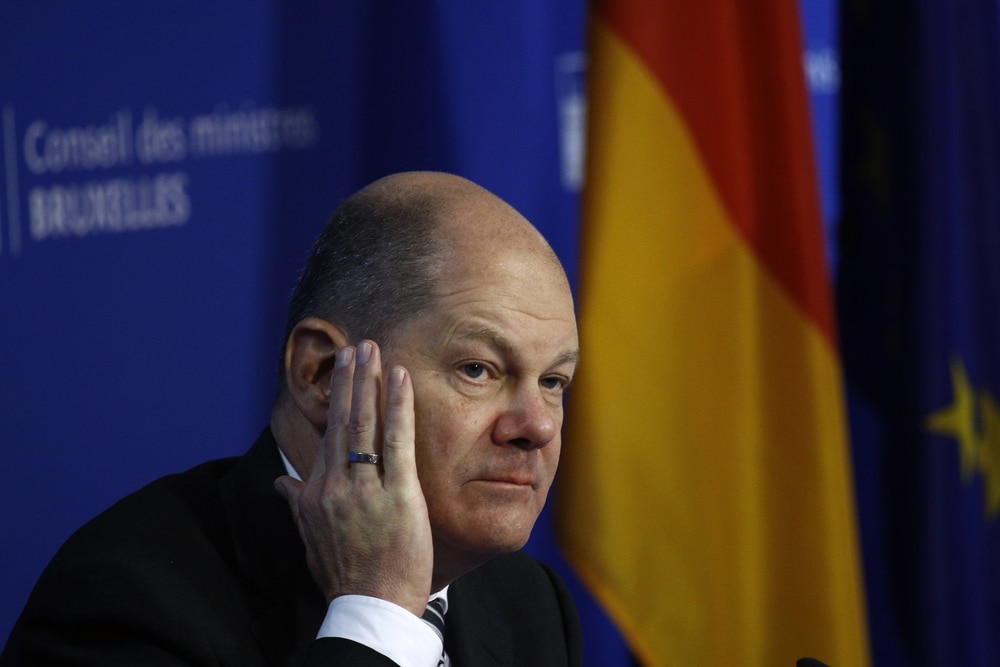
On November 6, the government of Germany, Europe’s most populous country and its largest economy, collapsed when Chancellor Olaf Scholz fired his finance minister, the leader of one of his two coalition partners, dissolving the coalition government. The government will limp along until a confidence vote is held in parliament in January. If Scholz’s Social Democrat Party does not survive the confidence vote, that would trigger early elections in March.
The catalyst of the collapse is disagreement by the coalition partners over a weakening economy and budgetary struggles. There are multiple reasons for Germany’s economic decline, including competition from China in the automotive industry. But key among Germany’s economic challenges is the hammering Germany’s energy intensive industrial sector has taken by the energy crisis caused by the war in Ukraine. German industry has struggled to adjust to the higher price of energy caused by U.S.-led sanctions on Russian oil and by the blowing up of the Nord Stream pipeline. Being the largest economic supporter of Ukraine has further strained the economy.
All three members of Scholz’s already unpopular coalition have been losing support. Scholz’ Social Democrats are polling only around 16% and the combined support of their coalition hovers around 30%, while the opposition Christian Democrats by themselves have 32.5% support. Two fringe parties, the far right populist Alternative für Deutschland and the populist leftwing Sahra Wagenknecht Alliance are both gaining support in part because they oppose further support for Ukraine.
Though not the only cause of the price the German government is paying at the polls, the war in Ukraine, and their policies on it, are contributing to the cost. Molly O’Neal, a non-resident fellow at the Quincy Institute for Responsible Statecraft, has pointed out that opponents of governments’ stances on Ukraine have fared well, not only in Germany, but in France and elsewhere in Europe.
Several members of the political West have been punished in elections recently, including Italy, Austria, Finland, Portugal, Slovakia, Australia and Japan. While many members in good standing among the political West have fallen, governments outside of the political West, including all the original members of BRICS, who have taken alternative policy approaches to the war in Ukraine have fared better. Some have done worse than they traditionally have, and though not all meet the West’s criterion for democracy, Russia, China, India, and South Africa have all re-elected their governments. Brazil returned Lula da Silva to power, a man strongly supportive of BRICS and, along with China, has played a leading role, unlike the political West, in advocating for a diplomatic solution to the war in Ukraine.
Be seeing you
 MCViewPoint
Leave a comment