


Today’s federal government is almost entirely unconstitutional
By Brian McGlinchey
Stark Realities
https://starkrealities.substack.com/p/americans-are-fighting-for-control
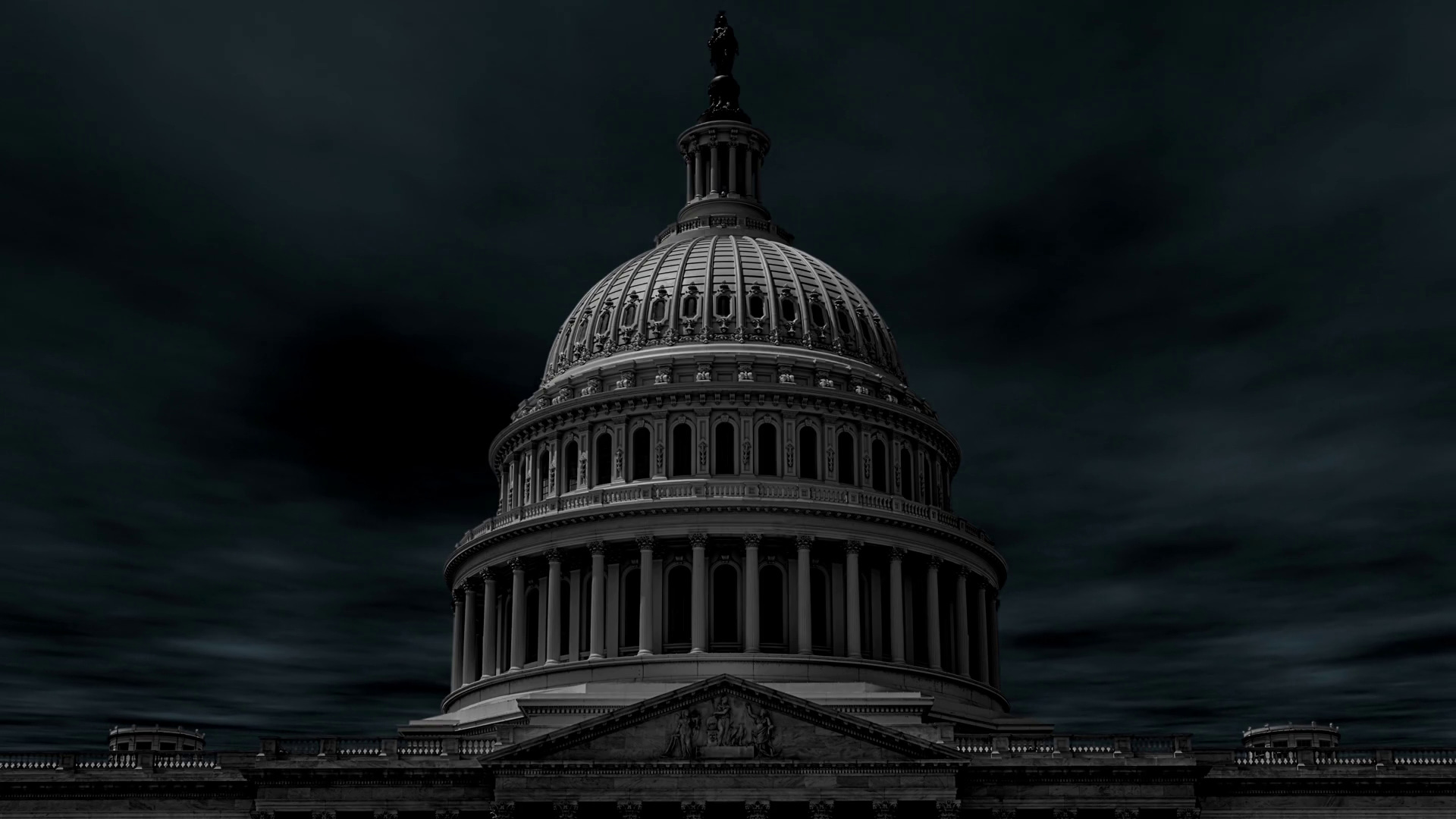
It’s no secret that politics in the United States is growing increasingly acrimonious — to the point that a 2022 poll found 43% of Americans think a civil war is a least somewhat likely in the next decade.
But here’s what few people realize: The intensity of our division springs from a federal government operating far beyond the limits of the Constitution — fueling a fight for control over powers that were never supposed to exist at the national level.
To put it another way, if the federal government were confined to its actual granted authorities, federal elections would be of little interest to the general public, because the outcome would be largely irrelevant to their everyday lives.
America’s founders drafted the Constitution with great trepidation. Having just escaped British tyranny, the people of the separate states that would comprise the proposed union were wary of centralizing too much power at the federal level, and thus sowing the seeds of a new tyranny.
They therefore set out to create a federal government to which the states delegated only certain limited powers, with all other subjects of governance reserved to the states.
Those powers — only 18 of them — are listed, one by one, in Article I, Section 8 of the Constitution. They include such things as the power to raise armies, maintain a navy, declare war, borrow money, coin money, establish punishments for counterfeiters and pirates, set standards of weights and measures, secure patents and establish post offices.
Reassuring those who were considering the enormously consequential decision of whether to ratify the Constitution, James Madison wrote,
“The powers delegated by the proposed Constitution to the federal government are few and defined. Those which are to remain in the State governments are numerous and indefinite. [Federal powers] will be exercised principally on external objects, as war, peace, negotiation, and foreign commerce…The powers reserved to the several States will extend to all the objects, which, in the ordinary course of affairs, concern the lives, liberties and properties of the people.”
To win over those would-be ratifiers who still feared the proposed federal government would undercut state sovereignty and infringe individual liberties, ten amendments were drafted — the Bill of Rights. The 10th Amendment codified Madison’s previous assurance about the division of authorities between the federal and state governments:
“The powers not delegated to the United States by the Constitution, nor prohibited by it to the States, are reserved to the States respectively, or to the people.”
We arrive then at a hard fact: Today’s sprawling federal government, which involves itself in almost every aspect of daily American life, is almost entirely unconstitutional.
Be seeing you

 MCViewPoint