


The judges’ panel recapped the findings:
For the last few years—at least since the 2020 presidential transition—a group of federal officials has been in regular contact with nearly every major American social-media company about the spread of “misinformation” on their platforms. In their concern, those officials—hailing from the White House, the CDC, the FBI, and a few other agencies—urged the platforms to remove disfavored content and accounts from their sites. And, the platforms seemingly complied.
https://libertarianinstitute.org/articles/tgif-free-speech-affirmed/
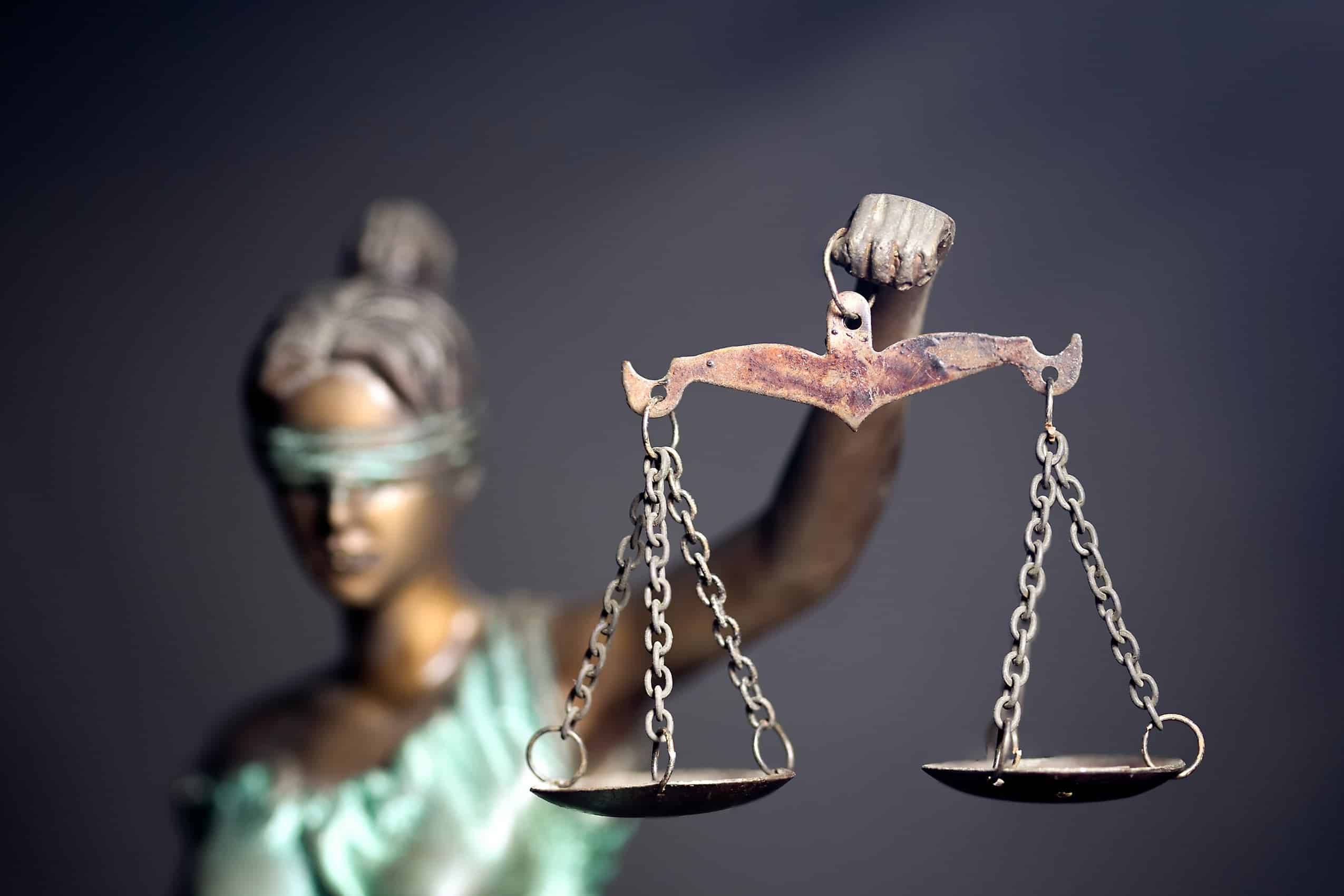
The preliminary injunction against federal censorship of social-media users has survived the Biden administration’s appeal and, despite a 10-day hold, will essentially continue. Next stop: the Supreme Court.
The latest ruling, 78 pages long, by a panel of Fifth Circuit Court of Appeals judges, affirmed the core of District Judge Terry Doughty’s July 4 preliminary order, but the revised order has two big differences. The appellate judges exempted some defendants and narrowed Judge Doughty’s list of prohibited actions to just one modified but broad prohibition. We’ll have to see how that works out, but the court has certainly admonished Biden officials for censoring Americans’ speech by systematically leaning — sometimes very heavily — on the social-media companies.
The New Civil Liberties Alliance (NCLA), which represented some of the plaintiffs, commented, “Today’s order should stop that conduct.”
Recall that Judge Doughty’s ruling in the suit filed by Missouri and Louisiana on behalf of its residents, along with several private individuals, including COVID-19 dissident Drs. Jay Bhattacharya and Martin Kulldorff. Doughty had agreed that the plaintiffs had shown that the federal government, through repeated contacts with social-media personnel, had perpetrated “arguably the most massive attack against free speech in United States history.” He likened the Biden administration’s efforts to “an Orwellian Ministry of Truth.”
The upshot of the ruling is that when the government “suggests” to Facebook or X that certain posted material is, well, unhelpful, concerning, or even dangerously misleading, it constitutes implicit censorship in violation of the First Amendment. Why? Because some government officials are in a position to punish (through antitrust action, civil-liability rules, or regulation) uncooperative parties. Therefore, even recommendations or pleas to remove or suppress posts necessarily carry a veiled threat. In the present case, the appellate judges write, the threats were sometimes stark naked.
It is well-established in law that what the government may not do directly — say, block expression — it may not do indirectly, such as by pressuring private companies to in effect censor.
The judges’ panel recapped the findings:
For the last few years—at least since the 2020 presidential transition—a group of federal officials has been in regular contact with nearly every major American social-media company about the spread of “misinformation” on their platforms. In their concern, those officials—hailing from the White House, the CDC, the FBI, and a few other agencies—urged the platforms to remove disfavored content and accounts from their sites. And, the platforms seemingly complied. They gave the officials access to an expedited reporting system, downgraded or removed flagged posts, and deplatformed users. The platforms also changed their internal policies to capture more flagged content and sent steady reports on their moderation activities to the officials. That went on through the COVID-19 pandemic, the 2022 congressional election, and continues to this day.
Enter this lawsuit. The Plaintiffs—three doctors, a news website, a healthcare activist, and two states—had posts and stories removed or downgraded by the platforms. Their content touched on a host of divisive topics like the COVID-19 lab-leak theory, pandemic lockdowns, vaccine side effects, election fraud, and the Hunter Biden laptop story. The Plaintiffs maintain that although the platforms stifled their speech, the government officials were the ones pulling the strings—they “coerced, threatened, and pressured [the] social-media platforms to censor [them]” through private communications and legal threats.
The judges pointed out in great detail that the “platforms were apparently eager to stay in the officials’ good graces” and did not just wait for suggestions about stifling dissent. That sounds like the Stockholm syndrome. But their efforts to please their overseers weren’t always enough: “The officials were often unsatisfied. They continued to press the platforms on the topic of misinformation throughout 2021.” A powerful thirst can be hard to quench.
Be seeing you
 MCViewPoint