


The paucity of attention paid to civilian victims of the conflict in Sudan compared to Ukrainian civilians brings to mind the contrast between “worthy” and “unworthy” victims drawn by Edward Herman and Noam Chomsky in their 1988 book Manufacturing Consent. They contrasted the extensive mass-media coverage of the 1984 murder of a Polish priest, Jerzy Popieluszko, during the Cold War with the lack of the same when it came to more than two dozen priests and other religious people slaughtered by governments and death squads in El Salvador and Guatemala in those years.
By Priti Gulati Cox and Stan Cox
It’s been devastating, even if no one’s paying attention.
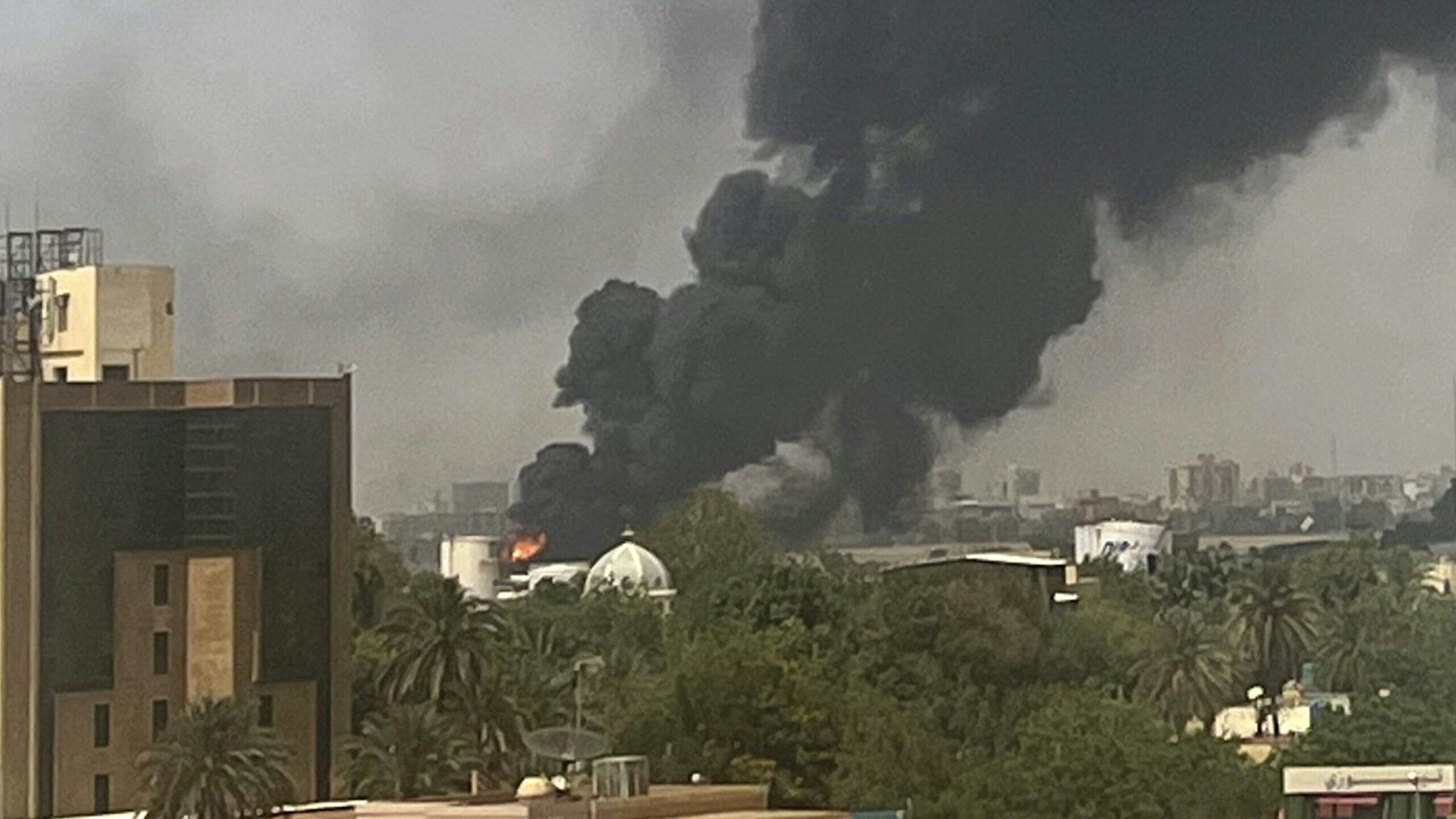
Three months of fighting in Sudan between the army and a paramilitary group called the Rapid Support Force (RSF) has left at least 3,000 people dead and wounded at least 6,000 more. Over two million people have been displaced within the country, while another 700,000 have fled to neighboring nations. According to the World Health Organization, two-thirds of the health facilities in Khartoum, the capital, and other combat zones are now out of service, so the numbers of dead and injured are believed to be far higher than recorded, and bodies have been rotting for days in the streets of the capital, as well as in the towns and villages of the Darfur region.
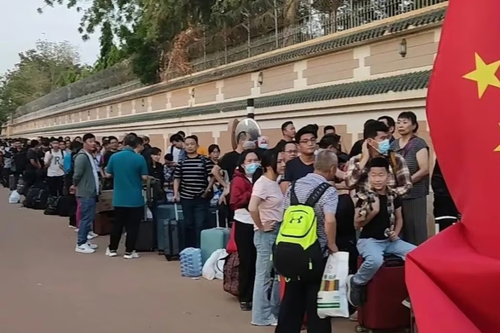
Almost all foreign nationals, including diplomats and embassy staff, are long gone and so, according to Al Jazeera, hundreds or thousands of Sudanese who had visa applications pending have instead found themselves marooned in the crossfire with their passports locked away inside now-abandoned embassies. In the Darfur region, according to non-Arab tribal leaders, the RSF and local Arab militias have been carrying out mass killings, raping women and girls, and looting and burning homes and hospitals. Earlier this month, United Nations humanitarian chief Martin Griffiths told the Associated Press, “If I were Sudanese, I’d find it hard to imagine that this isn’t a civil war… of the most brutal kind.”
According to the United Nations, half the country’s population, a record 25 million people, is now in need of humanitarian aid. And worse yet, half of those are children, many of whom were in dire need even before this war broke out. Tragically, global warming will only compound their misery. Among 185 nations ranked by the Notre Dame Global Adaptation Initiative, Sudan is considered the sixth most susceptible to harm from climate change.
Heat waves, drought, and flooding are projected to become ever more frequent and intense as the atmosphere above Sudan warms further. This summer war and weather have been converging in strikingly deadly ways. With cloudless skies, water and electricity services largely knocked out, and daily temperature highs in the capital recently ranging from 109° to 111° Fahrenheit, the misery is only intensifying. Meanwhile, in the Darfur region and across the border in eastern Chad, the season of torrential rains is about to begin. The country director for Concern Worldwide in Chad says that many of the quarter-million Sudanese refugees there “are living in makeshift tents made from sticks and any material they can find, which means they are not protected from the heavy rains. The situation is catastrophic.”
This Conflict Will Not Be Televised
Among the refugees from this war are some of our own relatives and in-laws, part of an extended Indian-Sudanese family who have lived in Khartoum all their lives. In May, they fled the escalating violence, some via a perilous, hair-raising 500-mile road trip across the Nubian Desert to Port Sudan. There, they caught a ship across the Red Sea to Jeddah, Saudi Arabia. Their goal, as they informed us in June through voice messages, was Egypt — so far, the most common destination for Sudanese refugees over the past three months. And mind you, desperate as they may be, our relatives are in a far less perilous situation than people fleeing the Darfur region for Chad. Still, they are leaving behind a life built up over decades, without knowing if they will ever be able to return to Khartoum.
And here — for us — is a disturbing reality. We’ve had to do a lot of searching to find significant information in the U.S. major media about the struggle in Sudan, no less the plight of its refugees — though recently there were finally substantive reports at NPR and in the Washington Post. Still, the contrast with 16 months of breathless, daily, top-of-the-hour reporting on the Ukraine war and the millions of people it’s displaced has been striking indeed.
Be seeing you



 MCViewPoint