Now that we realize just how dangerous a digital ID card is for civil liberties, we can talk about how putting faith in the state to execute their plan effectively is incredibly naïve too? There is a phenomenon taking over the United Kingdom where voters know that the government is completely inept at managing almost everything, but voters will still insist that it’s just the wrong people managing the levers of power.
https://libertarianinstitute.org/articles/britains-id-card-proponents-expose-their-own-naivety
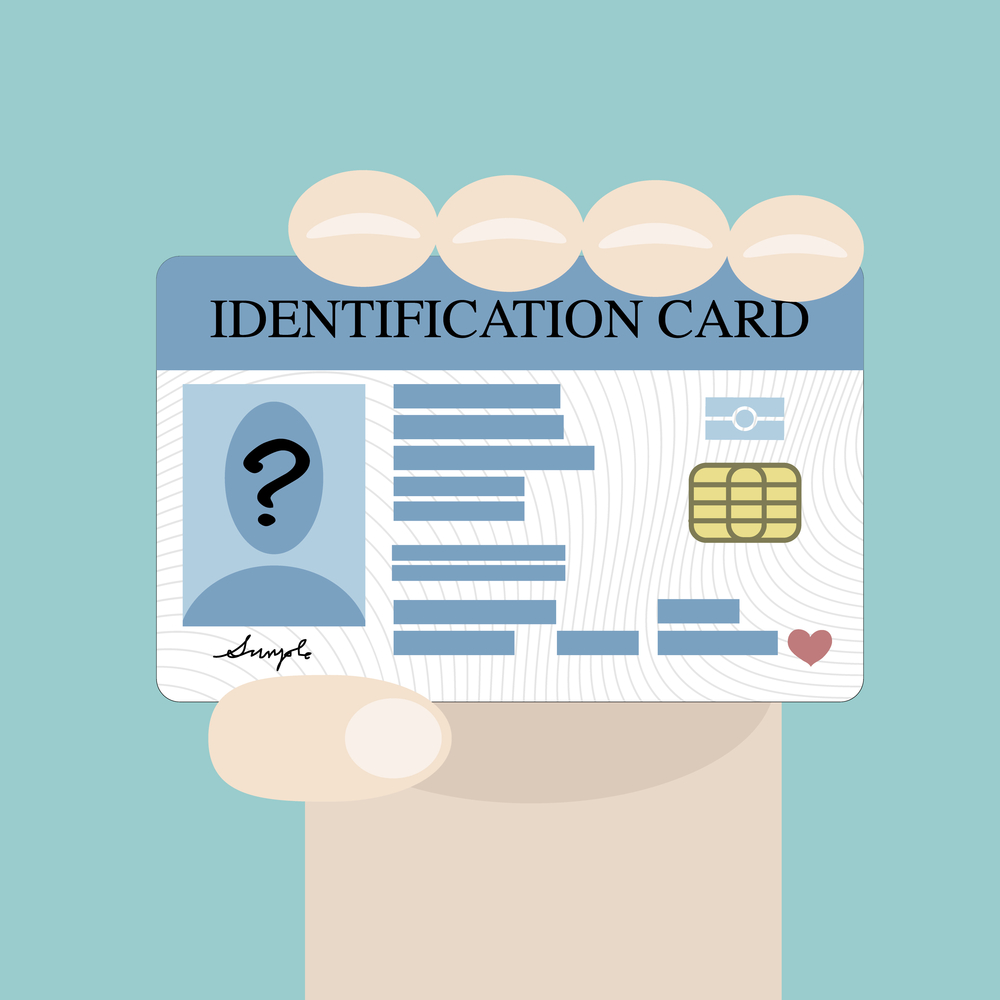
David Blunkett, the former United Kingdom Home Secretary, appeared on the Politics Live show this week and argued obstinately for the introduction of ID cards, saying “My guess is we will get ID cards under a Labour government.” This is quite concerning since the next government is probably going to be Labour, who are currently 20% ahead in the polls. Blunkett claims that it will be easier to stop the illegal immigration issue with the introduction of ID cards, suggesting that migrants would need to show these ID cards to get access to work and other services. He has said that the opposition is mostly made of “fanatics,” who he implies are being rather unreasonable because we already have other forms of centralized systems like license plate registration etc.
I think it is rather revealing that Blunkett did not take the time to mention all the other areas of life the political class would like ID cards to spread to. This proposal contains ideas like connecting the ID to banking and intimate health records, meaning the government will have a vast array of very private information on their databases available whenever they so desire it. Blunkett laughed off concerns about threats to privacy, naively believing the likelihood of data being used for nefarious purposes is low. This is just another example of state actors thinking they are angelic and will never, ever use power for immoral purposes. History is a great tutor and the teachings are clear: the state acquiring extensive private information leads to colossal and repeated violations of your natural rights.
Advocates for digital ID cards are putting an unnerving amount of trust into their own infallibility. If you take the time to listen to digital ID card proponents, you will notice a recurring theme where they either laugh off concerns that state actors could use them for nefarious purposes, or they argue measures will be put in place to prevent such action. Let’s give them the benefit of the doubt and say they will act morally and never use the information they desire for immoral purposes; they won’t be in that position forever. Their love for democracy necessarily means that at some point there will be another set of state actors in their position. The British Parliament is sovereign and cannot be bound by previous governments so any measures put in place by one, in this case security measures for the usage of the database, can be easily changed by the next government that controls Parliament.
The United Kingdom is so polarized now that the dislike between supporters of all political parties is steaming ahead with no end in sight. The only question you need ask of the proponents of digital ID cards is this: Do you genuinely have faith that political parties you strongly disagree with, and sometimes openly dislike personally, will never use digital ID cards for their own political and immoral purposes? If the answer is anything but an immediate yes—which history shows is a deluded opinion—then you should completely abandon any proposal of digital ID cards. The Regulation of Investigatory Powers Act was initially justified on national security grounds, yet it was revealed by Edward Snowden that these powers were being used to monitor private communications for those who had no relation to any activities that may threaten national security. This example alone should be enough for digital ID proponents to clearly see how using the state to collect a database of private information will be used by immoral state actors to violate the natural rights of numerous individuals in the United Kingdom.
Be seeing you
 Finian Cunningham

 MCViewPoint